

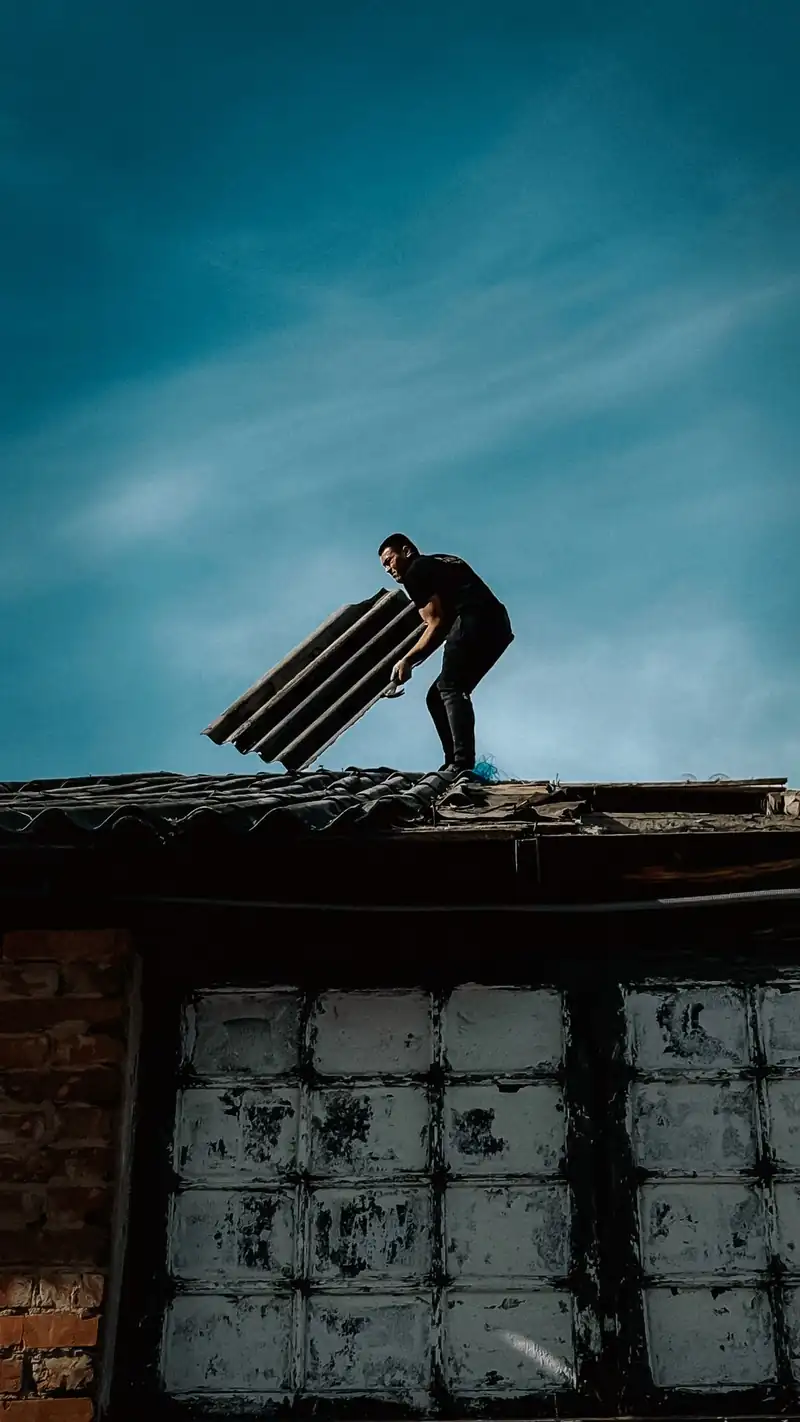
Roof Repair
Leaks, damaged shingles, flashing problems, and storm damage addressed with focused, practical repairs.
Learn More
Protect your property with dependable roofing solutions, from roof repairs and inspections to complete roof replacements and installations.
Comprehensive Roofing Services
Repair, replacement, installation, inspection, and gutters.
Residential & Commercial Solutions
Roofing options for homes and commercial properties.
Professional Project Communication
Clear updates at each step of the estimate process.
Quality Roofing Materials
Asphalt, metal, flat, and tile roofing systems.
Clear Project Estimates
Straightforward estimates before any work begins.
Service-Focused Approach
Recommendations shaped around your property's needs.
From a small leak to a complete new roof, find the service that matches what your property needs.
Leaks, damaged shingles, flashing problems, and storm damage addressed with focused, practical repairs.
Learn More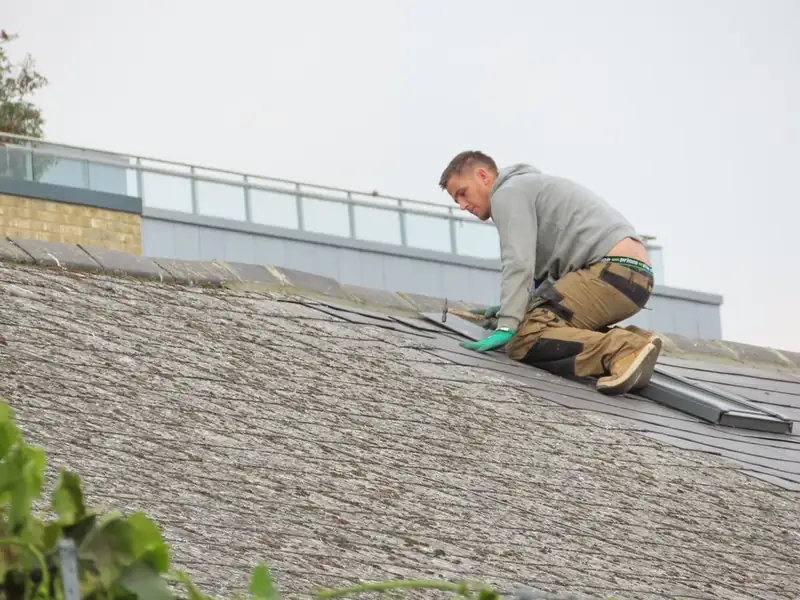
Complete roof replacement when repair is no longer the right option for an aging or failing roof.
Learn More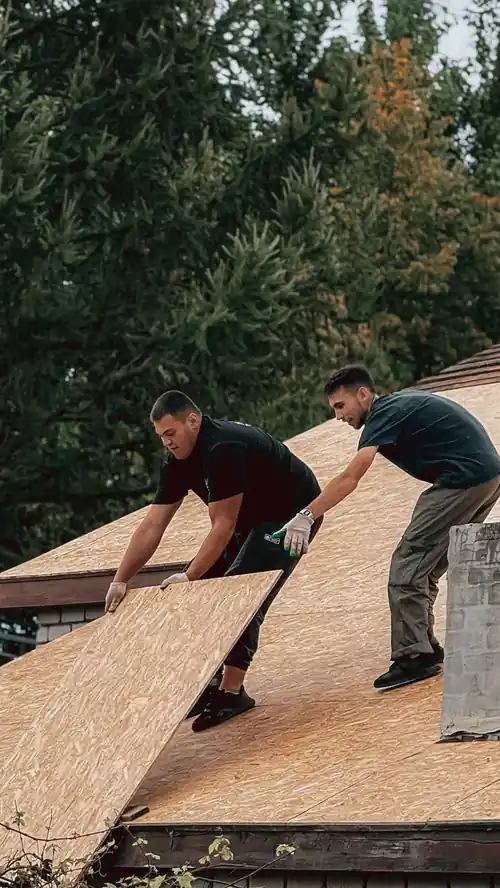
New roof installation for new construction and additions, in asphalt, metal, flat, and tile systems.
Learn More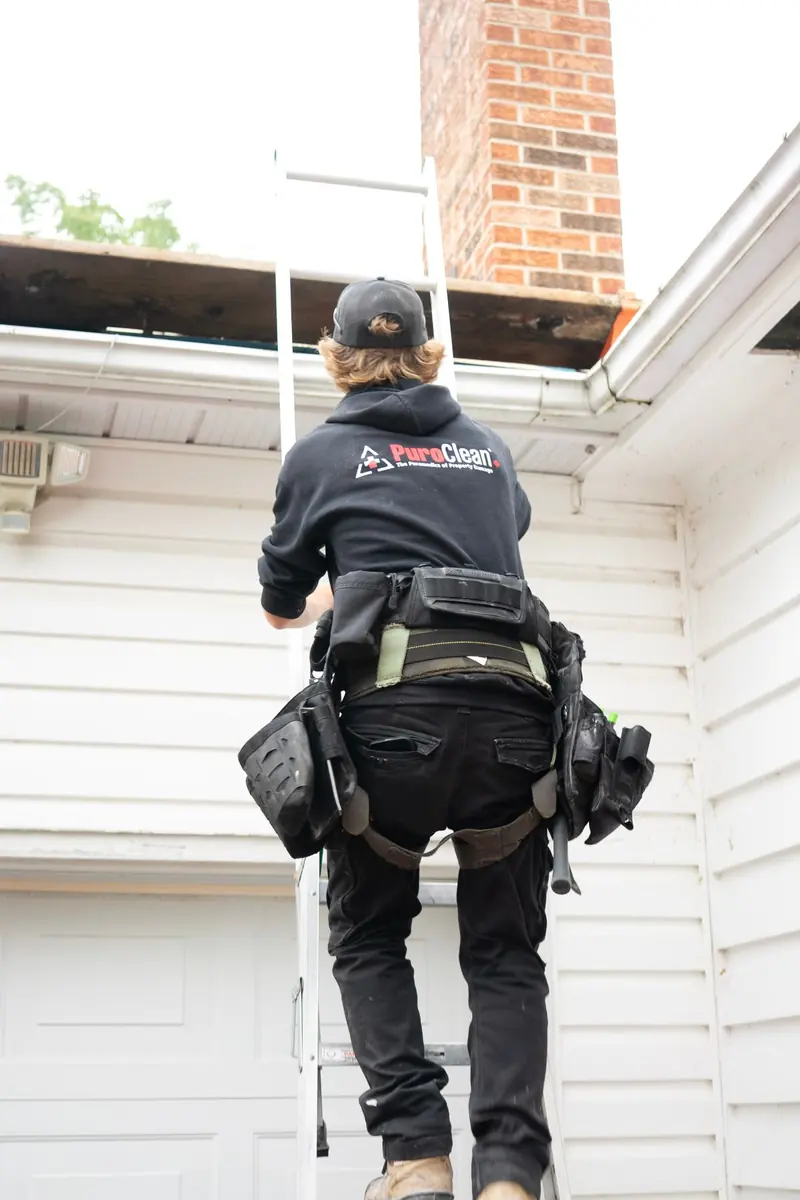
Detailed roof inspections that document condition, catch small problems early, and inform next steps.
Learn More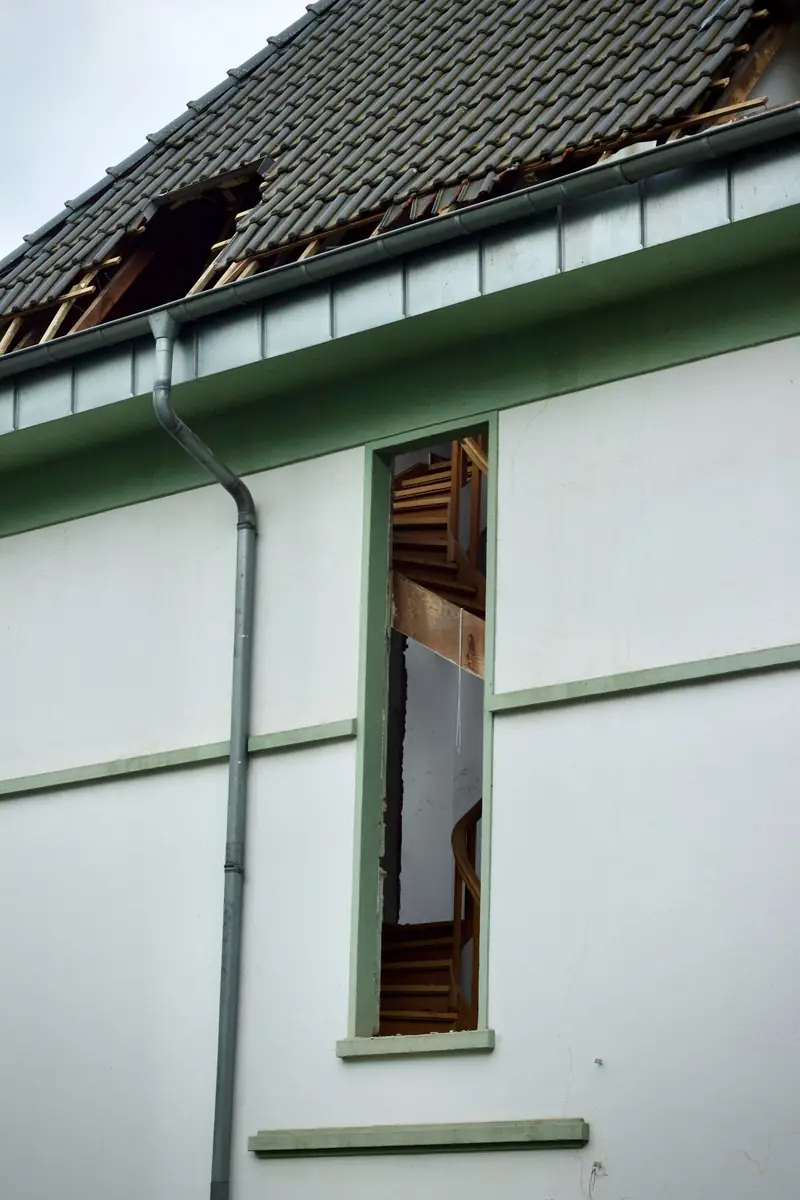
Urgent help for active leaks, storm damage, fallen trees, and roof openings that need to be secured.
Learn More
Gutter installation, repair, replacement, cleaning, and guards that keep water moving away from your home.
Learn More
Roofing decisions are easier when the process is clear. Estimates are explained in plain language, options are laid out honestly, and the work is arranged through independent local providers matched to the job.
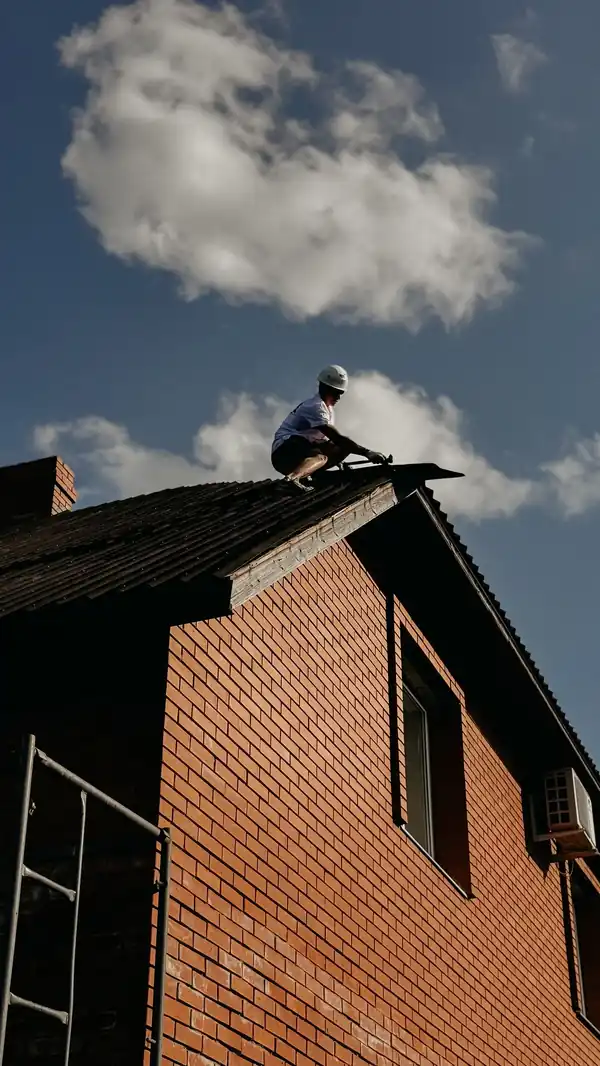
A missing shingle or a slow leak rarely stays small. Repair work focuses on the damaged area — shingles, flashing, valleys, and penetrations — so the rest of the roof keeps doing its job.
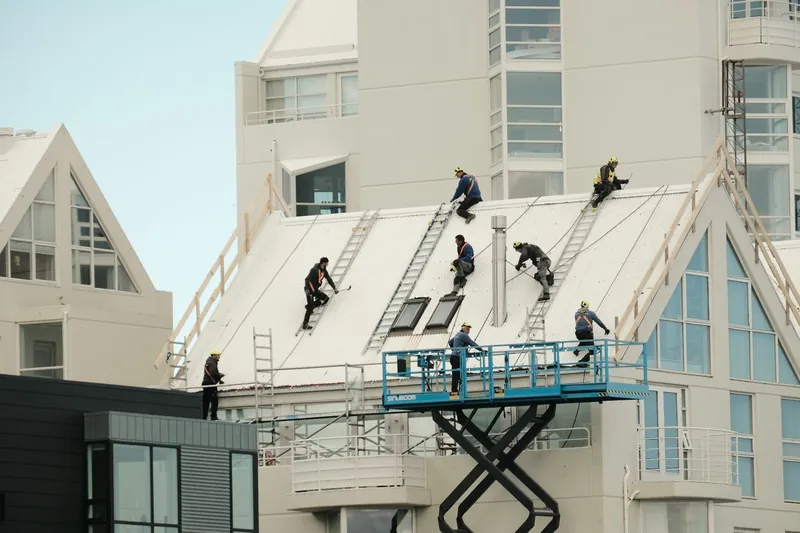
Some roofs reach the point where repeated repairs cost more than they save. A complete replacement starts fresh — new underlayment, flashing, and roofing material, chosen for Massachusetts weather.
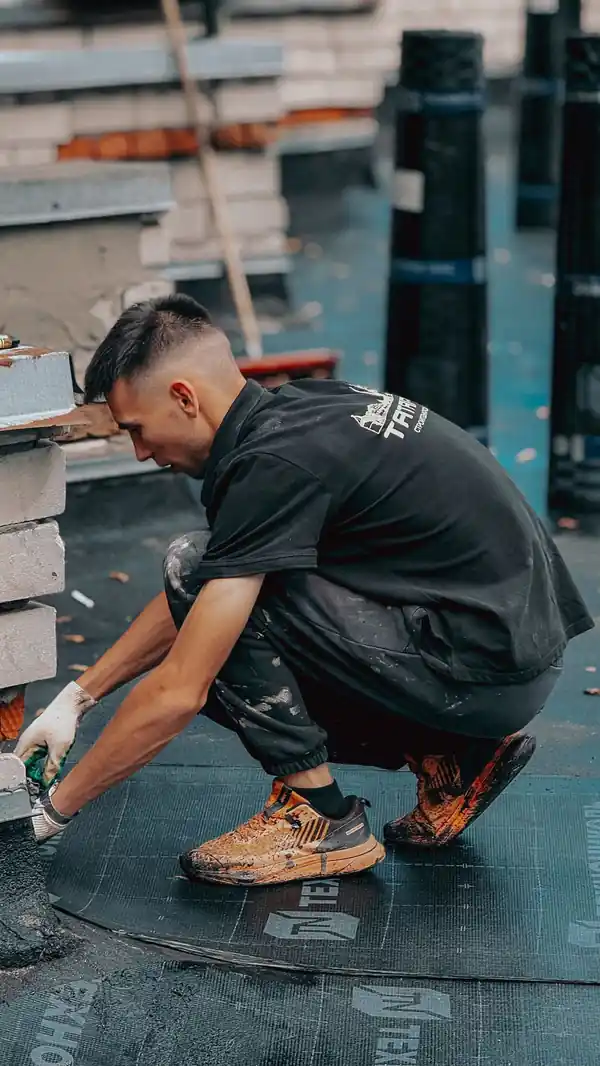
New construction and major additions need a roof system planned around the building — pitch, ventilation, drainage, and material all work together from the first layer.
Nor'easters, ice dams, humid summers, and freeze-thaw cycles all shape what works on a Massachusetts roof. These are the systems available, with their strengths explained on the linked pages.
A straightforward process, so you always know what happens next.
Tell us about your roof and what you have noticed.
Talk through the options and what matters most to you.
See the proposed scope and materials before anything is scheduled.
Independent local providers carry out the agreed work.
Walk through the finished work and confirm it meets the plan.
Illustrative photographs of roofing work and materials. These images show the kind of roofing discussed on this site; they are not presented as Atlantic Crest Roofing projects.
Select a city to see roofing services for that area. Coverage includes Boston, Worcester, Cambridge, Lowell, and communities across the state.
Stylised service-area map. Marker positions are approximate and show service areas only; they are not precise geographic coordinates. View on Google Maps ↗
“A good roofing decision starts with a clear picture of the roof — what it needs, what it will take, and what it will cost — before any work is agreed.”
Atlantic Crest Roofing connects Massachusetts homeowners and businesses with independent local roofing providers. Estimates are requested online, options are discussed plainly, and the work is carried out by the provider matched to the project.
Learn more about our service approachCommon signs include shingles that are curling, cracking, or missing, granules collecting in gutters, daylight visible from the attic, and leaks that keep returning after repair. Age matters too — an older roof showing several of these signs at once is usually worth a professional inspection, which can confirm whether repair or replacement is the more sensible path.
Cost depends on the size and pitch of the roof, the material chosen, the condition of the decking underneath, and how much existing roofing must be removed. Because those factors vary so widely from one property to the next, the reliable way to get a figure is a written estimate based on an inspection of your specific roof.
Timing depends on the size and complexity of the roof, the material being installed, weather conditions, and whether decking repairs are needed once the old roofing is removed. The expected schedule for your property is discussed as part of the estimate, before work is scheduled.
Many leaks can be repaired. The first step is finding the source, which is not always directly above the stain or drip inside — water often travels along decking or rafters. Once the source is located, the repair may involve replacing shingles, resealing flashing, or fixing a penetration such as a vent or chimney. Leaks that recur in several places may point to wider wear that an inspection can assess.
Architectural asphalt shingles are the most common choice and handle snow, rain, and freeze-thaw cycles well. Metal roofing sheds snow effectively and suits steeper pitches. Flat and low-slope roofs use membrane systems designed to stay watertight where water drains slowly. Tile suits some properties but is heavier and less common in the state. The right choice depends on the roof's pitch, structure, and exposure.
A good habit is a professional inspection once a year, plus an inspection after a major storm, heavy snowfall, or ice dam season. Homeowners can also look from the ground for missing shingles, sagging areas, and debris in gutters between inspections, and check the attic for daylight or dampness after heavy rain.
First, make sure the property is safe and avoid climbing onto a damaged roof. Photograph any visible damage from the ground, move valuables away from leaks inside, and place a container under active drips. Then request an inspection so the damage can be documented and, where needed, temporarily covered to prevent further water entry while a repair plan is arranged.
Tell us about your roofing needs and take the next step toward protecting your property.


