

Complete Roof Replacement in Massachusetts
A complete roof replacement removes the old covering entirely and builds the new roof from the deck up, rather than laying a new covering over the old one. That matters because it is the only way to see the deck beneath, deal with any damage there, and fit underlay and protection properly. This page explains what a complete replacement involves and when it is the right choice.
What Complete Replacement Means
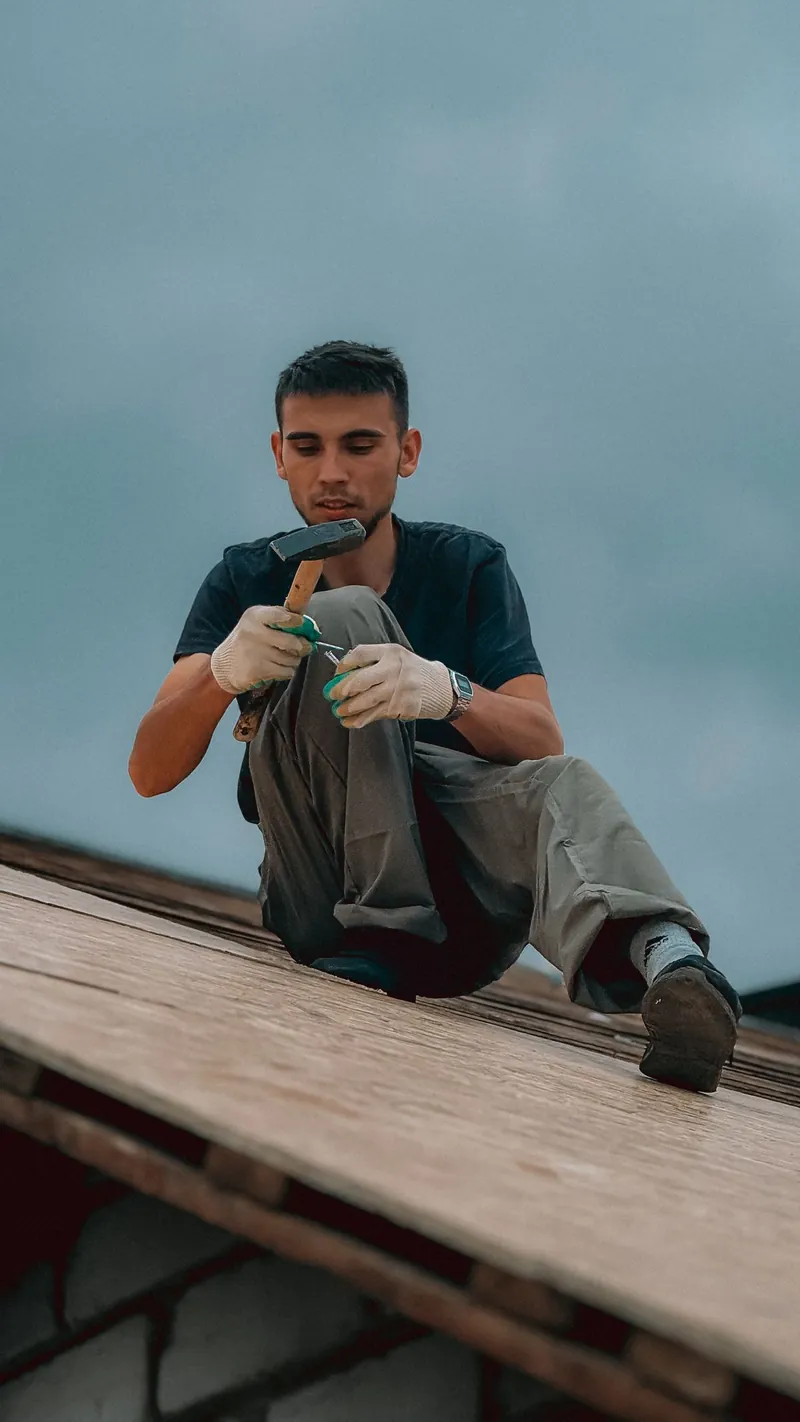
Complete replacement, sometimes called a tear-off, means stripping the old shingles or covering away, along with the old underlay, so the deck is exposed. The deck is then checked board by board for rot, soft spots and damage, and any sections that need it are dealt with before the new roof goes on. New underlay, ice and water protection and flashing are fitted, and the new covering is installed on a sound base. The result is a roof whose condition is known from the deck up.
When a Complete Replacement Is Needed
A complete replacement is the right course when the roof is worn across its whole surface, when there are already layers of old covering in place, or when the deck beneath is suspected of damage. It is also the sensible choice when leaks have returned in different places, since layering a new covering over a damaged deck hides the problem rather than solving it. An assessment of the roof and the deck gives the basis for the decision.
What the Work Involves
The work begins with an assessment and an estimate that sets out the scope. The old covering is removed and the deck is checked and dealt with where needed. Underlay and ice and water protection are fitted at the eaves, in the valleys and around penetrations, new flashing is fitted at every joint, and the chosen covering is installed. The finished roof is checked over, gutters are cleared of debris from the work, and the site is left tidy.
The Deck Beneath the Covering
The deck is the part of a replacement that is hardest to judge from outside, and it is the part that matters most. A deck that has been wet for a long time can be soft or rotted in places, and fitting a new covering over it would only hide the damage. Because a complete replacement exposes the deck, any problems found can be dealt with while the roof is open, which is the main advantage of doing the job this way.
Complete Replacement and Massachusetts Weather
Massachusetts weather shapes the details of a complete replacement. Ice and water protection at the eaves and in the valleys guards against ice dams, ventilation beneath the deck keeps the roof surface even in winter, and flashing is renewed at every joint to stand up to wind-driven rain from nor'easters. Getting these details right at the time of replacement is what gives the new roof its best chance of a long life.
Problems and Solutions
Common Problems
- Covering worn across the whole roof
- Layers of old covering already in place
- Deck damage suspected beneath the covering
- Leaks returning in different places
- Patches no longer holding
- Roof near the end of its serviceable life
How These Problems Are Addressed
- Old covering removed down to the deck
- Deck checked and damaged sections dealt with
- New underlay and ice and water protection fitted
- Flashing renewed at every joint
- New covering installed on a sound base
- Finished roof checked over at the end
How It Works
Request an Estimate
Describe the roof and its condition through the estimate form.
Roof Assessment
An independent local provider examines the covering and the deck where it can be seen.
Scope and Estimate
The recommended replacement and the scope of the work are explained, with an estimate.
Work Arranged
Once the scope is agreed, the provider arranges the replacement.
Final Check
The finished roof is checked over and the work is explained.
What to Expect
Benefits
- Exposes the deck so hidden damage is found
- New roof built on a sound base
- Underlay and ice protection fitted properly
- Flashing renewed at every joint
- Suited to Massachusetts ice dams and nor'easters
- Clear scope and estimate before work begins
Frequently Asked Questions
A complete roof replacement removes the old covering entirely, down to the deck, and builds the new roof from there. The deck is checked and any damaged sections dealt with, new underlay and ice and water protection are fitted, and the new covering is installed with fresh flashing. It is the thorough way to replace a roof.
Overlaying lays a new covering over the old one, which leaves the deck unseen and adds weight to the roof. A complete replacement strips the old covering away, so the deck can be checked and any damage dealt with. Overlaying is not always an option, and the assessment will explain which approach suits the particular roof.
The cost varies with the size and pitch of the roof, the material chosen, the condition of the deck and access to the property. An estimate for the particular home is the only way to get a figure, and it sets out the scope before any work is agreed.
The deck can only be judged properly once the old covering is removed, which is why a complete replacement exposes it. Signs from inside, such as sagging or damp in the attic, can point to deck trouble, but the full picture comes when the roof is open. Any sections found to need attention are dealt with as part of the work.
Replacement work can be carried out in cold weather, though the approach depends on the material and the conditions on the day. The provider carrying out the work will explain what is practical for the particular roof and season.
Ready to Discuss Your Roofing Project?
Tell us about your roofing needs and take the next step toward protecting your property.