

Emergency Storm Roof Repair in Massachusetts
A storm can damage a roof across its whole surface in a single night: shingles lifted, flashing torn, branches down, water coming in where it never has before. Emergency storm repair deals with the urgent damage first and the full repair second. This page explains what to do after a storm, how the damage is dealt with, and what happens next.
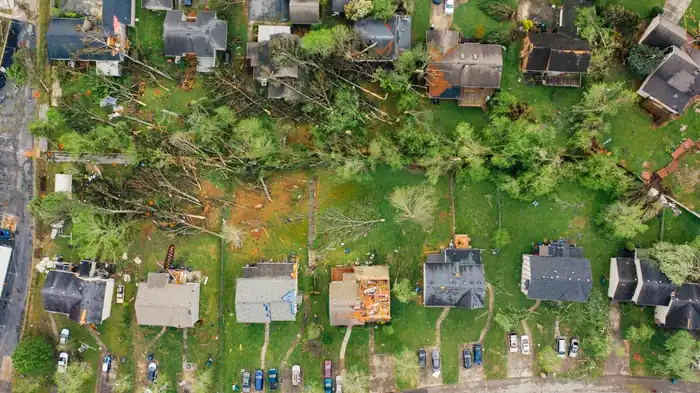
What to Do After a Storm
Stay off the roof and check from the ground for missing shingles, debris and dented metalwork, then look inside for new damp patches. Photograph anything visible for the homeowner's own records. Move valuables away from any drip and place a container beneath it. If water is near wiring or light fittings, avoid the area. Request help through the estimate form, describing the storm and the damage seen.
What Emergency Storm Repair Covers
Emergency storm repair deals with the urgent damage: stopping water that is coming in, covering open sections of roof with tarping, and making the roof safe from further weather. The full repair follows once the damage is assessed in full. The storm damage repair page explains how each damaged area is dealt with, and the storm damage inspection page explains how the damage is documented.
Assessing Storm Damage After the Urgent Work
A storm damage assessment looks at the whole roof, not just the obvious damage, and notes each affected area so the scope of the repair is clear. The attic is checked for water entry, and the deck beneath damaged sections is examined where possible. The findings are explained in plain language, with the recommended repair scope and an estimate. Photographs of the damage are useful for the homeowner's own records and for any conversation with an insurer.
Storm Damage, Insurance and the Record
Whether storm damage is covered depends on the individual insurance policy, and coverage is a matter for the homeowner and the insurer to settle. What an assessment provides is a clear, documented picture of the damage found, which is what an insurer will ask to see. Keep records of the storm, photographs of the damage, and notes of any temporary protection put in place. No promise about coverage can be made on a roofing page, and none is made here.
Storms and Massachusetts Weather
Storms in Massachusetts most often arrive as nor'easters, bringing high winds, heavy rain and snow, and occasionally hail. Wind lifts shingles at the edges and tears them away, hail bruises the covering, and fallen branches puncture the roof. Coastal homes face stronger wind exposure. Emergency storm repair in this climate has to deal with the conditions on the day, and the provider attending will explain what is practical for the particular roof and situation.
Problems and Solutions
Common Problems
- Missing or lifted shingles after wind
- Hail-bruised shingles and dented metalwork
- Punctures from fallen branches
- Roof open to the weather
- New damp patches after a storm
- Damage spread across the roof
How These Problems Are Addressed
- Water coming in stopped first
- Open sections covered with tarping
- Whole roof assessed, not just the obvious damage
- Each damaged area repaired in turn
- Damage documented for the homeowner's records
- Full repair arranged once the scope is known
How It Works
Request Urgent Help
Describe the storm and the damage seen through the estimate form.
Situation Assessed
An independent local provider assesses the damage and the urgency of the situation.
Temporary Protection
Where needed, temporary protection is put in place to keep the weather out.
Scope and Estimate
The damage and the recommended repair are explained, with an estimate.
Repair Carried Out
Once agreed, the provider repairs each damaged area in turn.
What to Expect
Benefits
- Urgent damage dealt with first
- Temporary protection keeps the weather out
- Whole roof assessed, not just the visible damage
- Damage documented for the homeowner's records
- Covers wind, hail and fallen debris
- Full repair arranged once the scope is known
Frequently Asked Questions
Stay off the roof and check from the ground for missing shingles, debris and dented metalwork, then look inside for new damp patches. Photograph anything visible for the homeowner's own records, and request help through the estimate form, describing the storm and the damage seen.
Whether emergency storm work is covered depends on the individual insurance policy, and that is a matter for the homeowner and the insurer. An assessment provides a documented picture of the damage found, which is what an insurer will ask to see. No promise about coverage is made here.
Emergency storm repair deals with the urgent damage a storm has done: stopping water that is coming in, covering open sections of roof with tarping, and making the roof safe from further weather. The full repair follows once the damage is assessed in full.
The cost varies with how much of the roof is affected, the material, whether the deck beneath is damaged, and whether tarping or other temporary protection is needed before the repair can begin. An estimate for the particular roof is the way to get a figure, and it sets out the scope before any work is agreed.
Replacement is worth considering when damage is spread across the whole roof or the covering is already near the end of its life. When damage is confined to particular areas, repair is usually enough. The assessment gives a clear basis for the choice.
Ready to Discuss Your Roofing Project?
Tell us about your roofing needs and take the next step toward protecting your property.