

Flat Roof Replacement in Massachusetts
A flat roof replacement renews the whole membrane system on a low-slope roof, rather than patching the sections that have failed. It is the answer when the membrane is worn across the roof, when seams keep opening, or when the deck beneath has suffered from standing water. This page explains the membrane options, what replacement involves, and how drainage is dealt with at the same time.
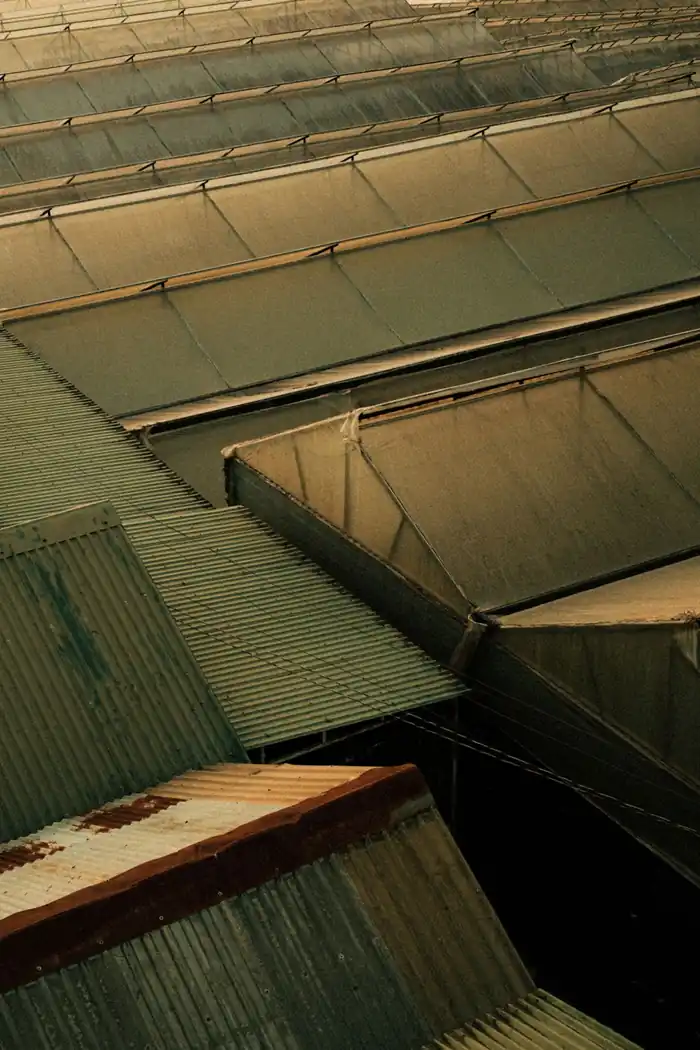
Membrane Options for a Flat Roof
Flat roof replacement uses a membrane system suited to low-slope surfaces, and the common options are single-ply membranes and modified bitumen systems. Each one is fitted differently and suits different roof shapes and uses. The provider carrying out the work will explain the options available for the particular roof, including how each one handles seams, junctions and rooftop equipment. The aim is a continuous, weather-tight surface.
What Flat Roof Replacement Involves
The old membrane is removed and the deck is checked for rot or saturation, since a new membrane over a damaged deck would only hide the problem. Insulation and underlay are fitted where the scope calls for them, the new membrane is laid and its seams bonded or welded, and flashing is renewed at parapets, walls and roof penetrations. Drainage is checked and cleared as part of the work, and the finished roof is checked over once the membrane has set.
When Replacement Beats Repair
Repair is enough when the damage is limited to particular seams or sections. Replacement is the better course when the membrane is worn across the whole roof, when seams keep opening in new places, or when the deck beneath is saturated. A flat roof that has been patched many times is often telling the same story. An inspection gives a clear basis for the choice, and it will say plainly which situation applies.
Drainage and Ponding Water
A flat roof is built with a slight fall toward its drains, and replacement is the moment to put that right if it has been lost. Settlement, sagging decking or blocked outlets can leave water standing, which adds weight and shortens the life of the membrane. The replacement scope looks at drainage as well as the membrane, so the new roof sheds water the way it was designed to.
Flat Roofs on Homes and Commercial Buildings
Flat roofs appear on Massachusetts homes as rear sections of triple-deckers, on additions and porches, and on commercial buildings across the state. The replacement approach is the same in principle, though the scale, the membrane system and the drainage details differ. Commercial flat roofs often carry rooftop equipment, and the flashing around that equipment is part of the replacement scope.
Problems and Solutions
Common Problems
- Membrane worn across the whole roof
- Seams opening in new places
- Deck saturated beneath the membrane
- Ponding water that will not clear
- Patches no longer holding
- Membrane blistered or split in many places
How These Problems Are Addressed
- Old membrane removed and deck checked
- New membrane system laid and seams sealed
- Flashing renewed at parapets and penetrations
- Drainage checked and outlets cleared
- Fall toward drains put right where lost
- Finished roof checked over once set
How It Works
Request an Estimate
Describe the flat roof and its condition through the estimate form.
Roof Assessment
An independent local provider examines the membrane, seams and drainage.
Scope and Estimate
The membrane options and the scope of the work are explained, with an estimate.
Work Arranged
Once the scope is agreed, the provider arranges the replacement.
Final Check
The finished roof is checked over to confirm it sheds water properly.
What to Expect
Benefits
- Renews the whole membrane, not just failed sections
- Deck checked so hidden saturation is found
- Drainage dealt with at the same time
- Suited to triple-decker and commercial low-slope roofs
- Flashing renewed at every junction
- Clear scope and estimate before work begins
Frequently Asked Questions
A flat roof needs replacing when the membrane is worn across the whole roof, when seams keep opening in new places, or when the deck beneath is saturated. A roof that has been patched many times is often at that point. An inspection gives a clear basis for the choice.
The common options are single-ply membranes and modified bitumen systems, each fitted differently and suited to different roof shapes and uses. The provider carrying out the work will explain the options available for the particular roof and how each one handles seams and junctions.
The cost varies with the size of the roof, the membrane system chosen, the condition of the deck and access to the property. An estimate for the particular roof is the only way to get a figure.
A replacement is the moment to address ponding, since the fall toward the drains can be put right and outlets cleared as part of the work. The scope will explain what is planned for drainage on the particular roof.
The principle is the same, though commercial roofs are often larger, carry rooftop equipment, and use membrane systems suited to that scale. The flashing around equipment and parapets is part of the replacement scope.
Ready to Discuss Your Roofing Project?
Tell us about your roofing needs and take the next step toward protecting your property.