

Roof Leak Repair in Massachusetts
A roof leak rarely appears directly below the place where water gets in, which is why tracing it matters more than patching the stain on the ceiling. Water travels along rafters and decking before it shows inside, so the entry point can be some distance from the damp patch. This page explains how leaks are found, what causes them, and what a leak repair involves.
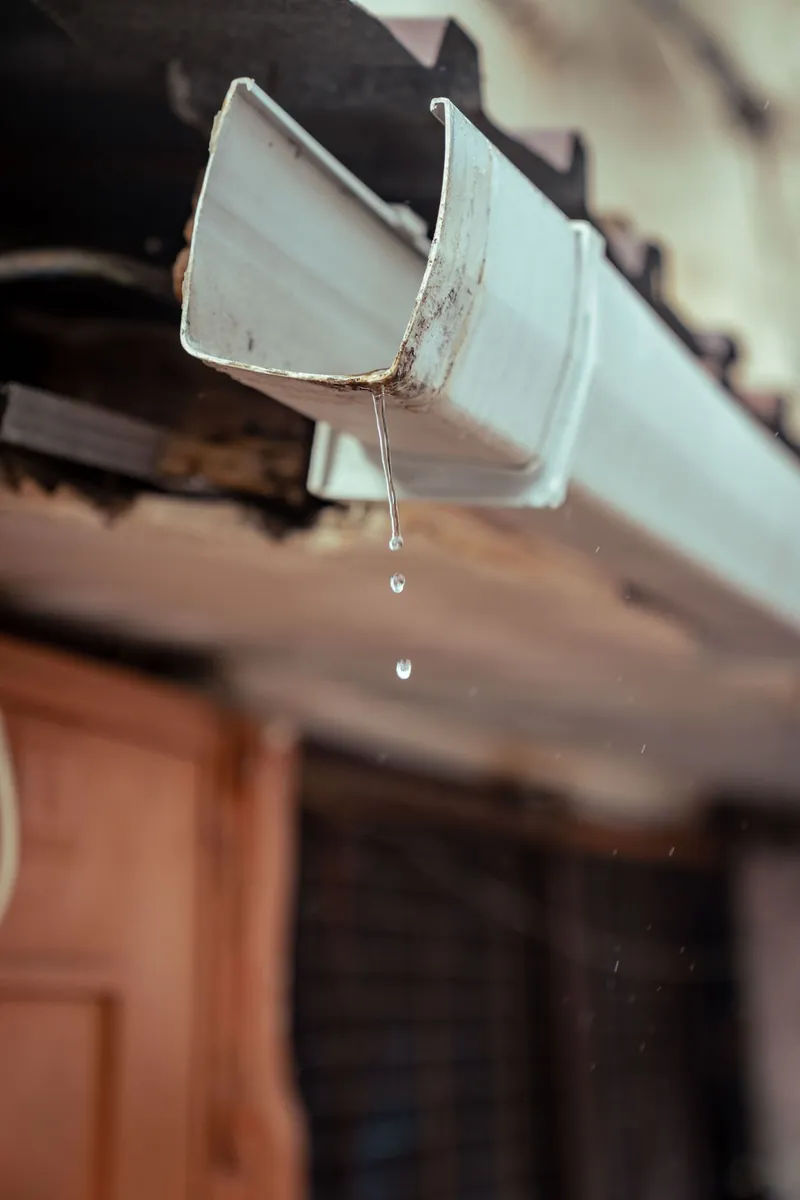
How a Roof Leak Is Traced
Tracing a leak starts with the pattern of the damp inside the home and works outward to the roof above it. The attic is often the most revealing place to look, since water marks on the underside of the decking show the path the water has taken. On the roof itself, the likely entry points are checked in turn: flashing, valleys, vents, skylights and any place the covering has been disturbed. A careful trace avoids sealing the wrong place and leaving the real entry open.
Common Causes of Roof Leaks
Flashing that has lifted or corroded is one of the most frequent causes, especially around chimneys and where the roof meets a wall. Damaged or missing shingles let wind-driven rain in, and ice dams force meltwater under the covering at the eaves. Flat roofs leak at seams, around drains and where the membrane has worn thin. Blocked gutters can also push water back under the roof edge. Age plays a part too, as sealants dry out and materials shrink and crack over time.
What Leak Repair Involves
Once the entry point is found, the repair deals with that specific place: renewing the flashing, replacing the damaged shingles, resealing a membrane seam, or clearing the drainage that let water back up. The surrounding area is checked at the same time, since a second weak point nearby will only cause another leak later. The finished repair is checked over, and the findings are explained so the homeowner knows what was done and why.
Leaks and Massachusetts Weather
Leaks in Massachusetts often follow the same seasonal pattern. Winter brings ice dams at the eaves, spring brings wind-driven rain from nor'easters, and summer brings heavy downpours that expose weak flashing. Coastal homes face salt air that corrodes metalwork sooner. A leak repair that suits the local climate takes these patterns into account, rather than treating every leak as the same job.
What to Do While Waiting for a Repair
While waiting for a repair, move furniture and valuables away from the drip and place a container beneath it. If water is spreading across a ceiling, a small hole made in the lowest point of the bulge can let it drain in a controlled way rather than spreading further. Avoid going onto the roof, especially when it is wet or icy. The emergency leak repair page covers urgent situations in more detail.
Problems and Solutions
Common Problems
- Damp patches or stains on ceilings
- Water dripping during or after rain
- Musty smell or damp in the attic
- Peeling paint near the ceiling
- Leak appearing away from the entry point
- Recurring leak in the same place
How These Problems Are Addressed
- Leak traced to its source before repair
- Flashing renewed at the entry point
- Damaged shingles replaced
- Flat roof seams and membranes resealed
- Drainage and gutter blockages cleared
- Surrounding weak points checked at the same time
How It Works
Request an Estimate
Describe where the leak appears and when it happens through the estimate form.
Leak Traced
An independent local provider examines the roof and the attic to find where water is getting in.
Scope and Estimate
The cause and the recommended repair are explained, with an estimate for the work.
Repair Carried Out
Once agreed, the provider repairs the entry point and checks the surrounding area.
Final Check
The repaired area is checked over and the work is explained.
What to Expect
Benefits
- Finds the source, not just the visible stain
- Stops water before it damages ceilings and structure
- Covers shingle, flat and flashing-related leaks
- Suited to Massachusetts rain, snow and ice dam patterns
- Clear explanation of the cause and the fix
- Estimate provided before work begins
Frequently Asked Questions
The pattern of damp inside the home is matched against the roof above it, and the attic often shows the path the water has taken along the decking. Likely entry points such as flashing, valleys, vents and skylights are then checked in turn. A careful trace matters because water can appear some distance from where it gets in.
Most leaks can be repaired when the entry point is found and the rest of the roof is in reasonable condition. The repair deals with the specific place water is getting in, whether that is flashing, a damaged shingle or a membrane seam. If leaks keep returning in different places, the roof may be worn overall and replacement may be the better course.
Light rain may not reach a weak point, while wind-driven rain in a storm pushes water sideways into valleys and flashing, and heavy downpours overwhelm a partially blocked gutter. A leak that only appears in bad weather still has a definite entry point, and it is worth tracing before it worsens.
The cost varies with the cause, the location on the roof, the material involved and how easy the area is to reach. A simple flashing seal and a membrane repair on a flat roof are different jobs. An estimate for the particular roof is the way to get a figure.
A leak that is letting water in steadily, or water near wiring and light fittings, should be treated as urgent. The emergency leak repair page explains temporary protection and the steps to take. A slow drip that appears only in heavy rain still deserves prompt attention, since water damage spreads quietly.
Ready to Discuss Your Roofing Project?
Tell us about your roofing needs and take the next step toward protecting your property.