

Old Roof Replacement in Massachusetts
An old roof tells its age in ways that are easy to miss until the problems start: shingles that have lost their granules, flashing that has corroded, a deck that has been wet more than once. Replacing an old roof is about more than the covering, since the layers and the deck beneath have a history of their own. This page explains what is different about replacing an aged roof.
What Makes an Old Roof Different
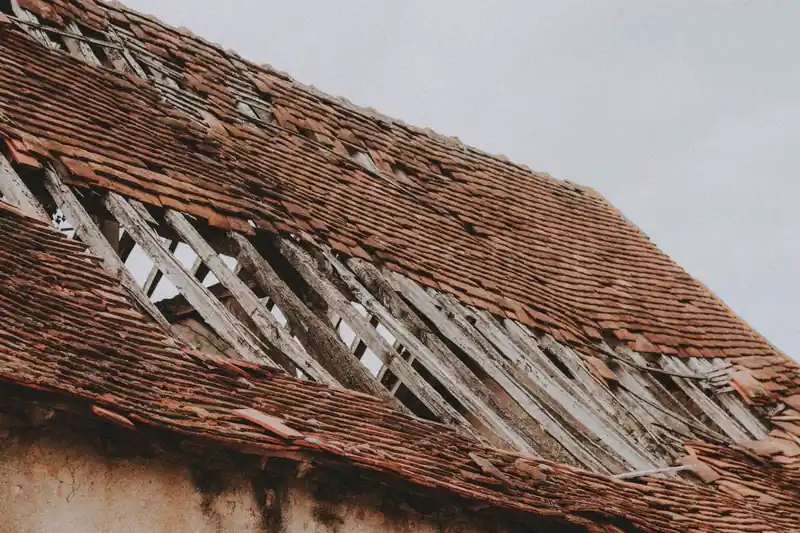
An old roof often carries more than one layer of covering, and each layer hides the one beneath it. The deck may have been wet in the past, fixings may have worked loose over many winters, and flashing may have been patched rather than renewed. The ventilation and insulation beneath the deck may also date from a time when standards were different. Replacing an old roof therefore starts with finding out what is actually there, rather than assuming the roof matches its appearance.
Signs an Old Roof Has Reached Its Limit
The signs are usually spread across the roof: granule loss, curling and cracking shingles, flashing that has corroded, and leaks that return in different places. Inside, the attic may show old water marks, and the deck may sag slightly where it has been wet. A roof that has been patched many times is often at its limit. An inspection gives a clear view on how much life remains and whether replacement is the sensible course.
What Old Roof Replacement Involves
The old covering and its layers are removed, which is the moment the deck is finally seen in full. The deck is checked and any damaged sections dealt with, and the ventilation and insulation beneath are considered at the same time. New underlay and ice and water protection are fitted, flashing is renewed at every joint, and the new covering is installed. The finished roof is checked over, and the site is left tidy.
Layers, Deck and Ventilation
Old roofs in Massachusetts often have layers that were added over decades, and the weight and condition of those layers affect the replacement. The deck beneath may need attention in places, and the ventilation that keeps the roof surface even in winter may need to be brought up to the standard the new covering expects. Dealing with these while the roof is open is the main advantage of replacing an old roof properly rather than covering it again.
Choosing the New Covering
The new covering for an old roof is usually chosen to suit the house and the local weather: asphalt shingles for most homes, metal where a snow-shedding surface is wanted, or a membrane system for a low-slope section. The provider carrying out the work will explain the options available for the particular property, including how each one suits the pitch, the structure and the style of the home.
Problems and Solutions
Common Problems
- Covering aged across the whole roof
- Layers of old roofing already in place
- Granule loss and curling shingles
- Deck that has been wet more than once
- Flashing corroded and patched
- Leaks returning in different places
How These Problems Are Addressed
- Old layers removed down to the deck
- Deck checked and damaged sections dealt with
- Ventilation and insulation considered
- New underlay and ice and water protection fitted
- Flashing renewed at every joint
- New covering chosen to suit the home
How It Works
Request an Estimate
Describe the age and condition of the roof through the estimate form.
Roof Assessment
An independent local provider examines the covering and what can be seen of the deck.
Scope and Estimate
The condition found and the replacement options are explained, with an estimate.
Work Arranged
Once the scope is agreed, the provider arranges the replacement.
Final Check
The finished roof is checked over and the work is explained.
What to Expect
Benefits
- Finds out what is actually beneath the old covering
- Deck, ventilation and flashing dealt with together
- Removes the weight of old layers
- New covering chosen to suit the home and climate
- Suited to Massachusetts historic housing stock
- Clear scope and estimate before work begins
Frequently Asked Questions
The signs are granule loss, curling and cracking across the roof, corroded flashing, and leaks returning in different places. A roof that has been patched many times is often at its limit. An inspection gives a clear view on how much life remains and whether replacement is the sensible course.
The old layers are removed as part of a complete replacement, which exposes the deck so it can be checked. Removing the layers also takes weight off the roof structure. The estimate will explain the scope for the particular roof.
The cost varies with the size and pitch of the roof, the number of old layers, the condition of the deck, the material chosen and access to the property. An estimate for the particular home is the only way to get a figure.
Laying new shingles over an old roof is not always an option, and it leaves the deck and the old layers unseen. The assessment will explain which approach suits the particular roof, including whether a complete removal is needed.
The signs are leaks returning in different places, wear spread across the whole roof, a covering that has been patched many times, and damage to the deck beneath. An inspection gives a clear basis for the decision.
Ready to Discuss Your Roofing Project?
Tell us about your roofing needs and take the next step toward protecting your property.