

Roof Inspection Services in Massachusetts
A roof inspection gives a clear picture of a roof's condition before a decision is made, whether that decision is a repair, a replacement, a house purchase or simply knowing where things stand. It looks at the covering, the flashing, the deck where it can be seen, the attic and the drainage. This page explains the inspection types and what each one is used for.
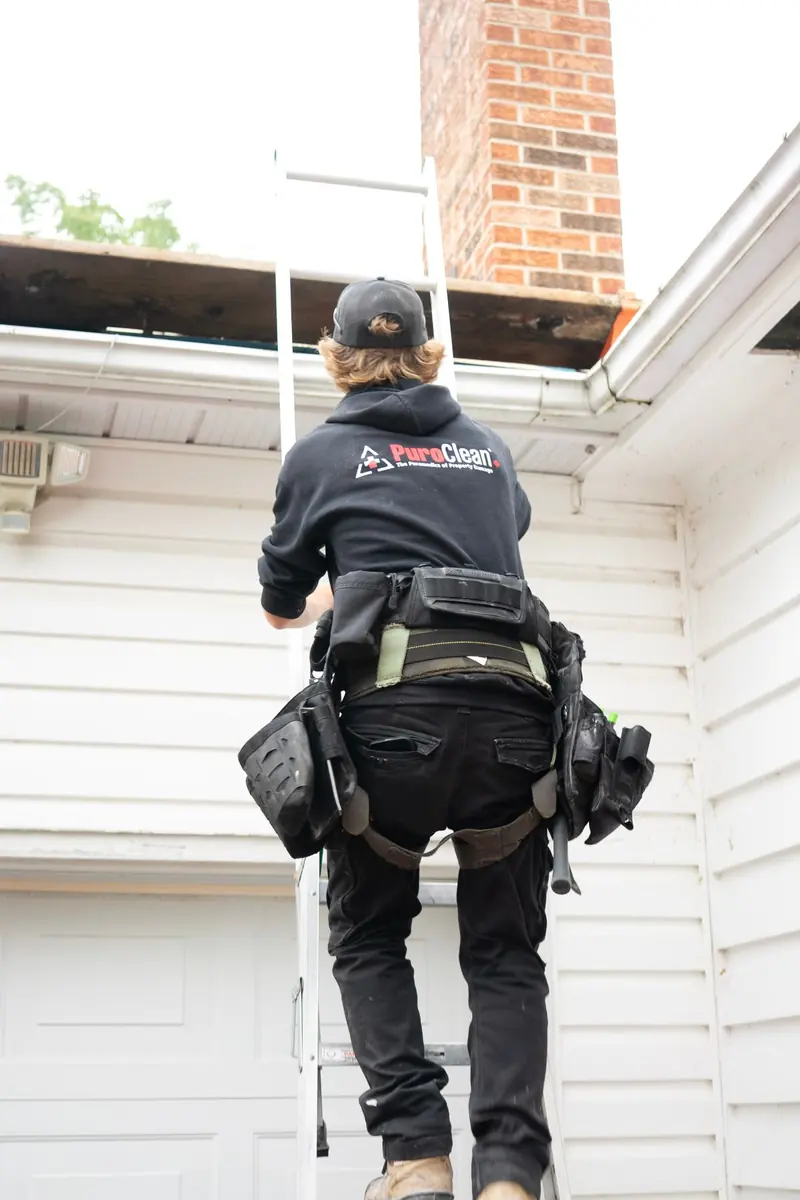
Why Inspect a Roof
A roof hides most of its problems. The covering can look sound from the ground while flashing has failed, a flat section is ponding, or the deck beneath is wet. An inspection finds these things while they are still small and inexpensive to deal with. It also gives a clear basis for the bigger decisions, such as whether to repair or replace, and it provides a record of the roof's condition at a point in time.
Roof Inspection Types
Residential inspection is the general check of a home's roof and its condition. Storm damage inspection follows wind, hail or a fallen tree and documents what the storm did. Pre-purchase inspection gives a buyer a clear view of the roof before completing a purchase. Leak and moisture inspection traces water entry and damp. Preventive inspection is the regular check that catches small problems before they grow. Each type has its own page with more detail.
What an Inspection Covers
An inspection looks at the covering for missing, cracked or worn material, the flashing at chimneys, valleys, walls and skylights, the condition of the deck where it can be seen, the attic for signs of water entry and ventilation, and the gutters and drainage. The findings are set out in plain language, with the condition of each part explained and the recommended next steps. Photographs of the findings are useful for the homeowner's own records.
Inspections and Massachusetts Weather
Massachusetts weather gives an inspection plenty to look for: ice dam damage at the eaves after winter, flashing worn by freeze-thaw, flat sections affected by snow load, and coastal salt air corroding metalwork. An inspection after a nor'easter or a heavy snow season is often the moment these problems are found. The inspection pages explain the local angles that apply to each type of inspection.
After the Inspection
After an inspection, the homeowner has a clear picture of the roof's condition and the recommended next steps, whether that is a repair, a replacement, monitoring, or nothing at all. The findings are explained in plain language, and an estimate can be provided for any work recommended. There is no obligation to proceed with any work, and the inspection itself is useful even when it finds nothing urgent.
How Often to Inspect a Roof
A roof benefits from a regular check, and the right interval depends on its age, its material and the weather it faces. Older roofs and flat roofs deserve a closer eye, and any roof deserves a look after a severe storm or a heavy snow season. The preventive inspection page explains the rhythm that suits most Massachusetts homes, and the blog covers how often to inspect a roof in more detail.
Problems and Solutions
Common Problems
- Roof condition unknown before a decision
- Leaks with no clear source
- Storm damage needing documentation
- House purchase needing a roof view
- Old roof with uncertain remaining life
- Small problems that may be growing unseen
How These Problems Are Addressed
- Residential inspection of the whole roof
- Storm damage inspection with documented findings
- Pre-purchase inspection for buyers
- Leak and moisture inspection tracing water entry
- Preventive inspection catching small problems early
- Plain-language findings with recommended next steps
How It Works
Request an Inspection
Describe the roof and the reason for the inspection through the estimate form.
Roof Assessment
An independent local provider examines the covering, flashing, attic and drainage.
Findings Explained
The condition found is explained in plain language, with recommended next steps.
Estimate for Any Work
Where work is recommended, an estimate is provided for it.
Records Kept
The findings are useful for the homeowner's own records and future decisions.
What to Expect
Benefits
- Clear picture of the roof before a decision
- Finds problems while they are still small
- Covers covering, flashing, attic and drainage
- Findings explained in plain language
- Useful record of the roof's condition
- No obligation to proceed with any work
Frequently Asked Questions
An inspection looks at the covering, the flashing at chimneys, valleys, walls and skylights, the deck where it can be seen, the attic for water entry and ventilation, and the gutters and drainage. The findings are set out in plain language with recommended next steps.
A roof benefits from a regular check, and the right interval depends on its age, its material and the weather it faces. Older roofs and flat roofs deserve a closer eye, and any roof deserves a look after a severe storm or a heavy snow season. The preventive inspection page explains the rhythm that suits most Massachusetts homes.
The cost varies with the size and pitch of the roof and the type of inspection. An estimate for the particular property is the way to get a figure, and it sets out the scope before anything is agreed.
An inspection gives a clear view on the condition of the roof and how much life remains in it, and it will say plainly whether repair is still sensible or replacement is the better course. It is the honest basis for that decision.
A roof inspection checklist is the set of things checked during an inspection: the covering, flashing, deck, attic, ventilation and drainage. The inspection pages explain what is covered and why each part matters.
A pre-purchase inspection gives a buyer a clear view of the roof before completing a purchase, including its condition, its remaining life and any work it needs. The pre-purchase inspection page explains what it covers and how the findings are used.
Ready to Discuss Your Roofing Project?
Tell us about your roofing needs and take the next step toward protecting your property.