

What to Do After Roof Storm Damage
A storm has passed, and the roof is damaged. The next hours matter — not because everything has to be fixed at once, but because the right steps in the right order protect the home, create the record an insurer will want, and keep a bad situation from getting worse. This article explains those steps for Massachusetts homeowners: what to do first, what not to do, how to document the damage, and how the repair process works afterwards. It covers nor'easters, wind, hail, and heavy snow, and it gives general guidance on insurance rather than promises about coverage.
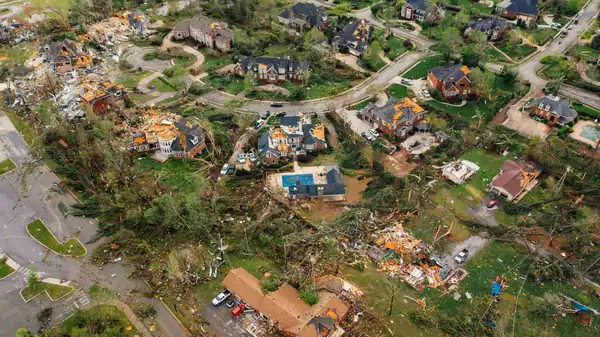
First: make the inside safe
Before anything else, make the inside safe. Contain any leak with buckets, move furniture and belongings out of the way, and protect floors. If water is near electrical fittings, light fixtures, or outlets, keep clear of the area and seek help — water and electricity are a dangerous combination. If a ceiling is bulging with trapped water, do not stand under it; the water may need to be released in a controlled way, and that is a job for someone who knows how. Do not go onto the roof: a wet or damaged roof is slippery and may be structurally unsound, and walking on it can cause more damage and put you at risk. If a tree has fallen on the roof, or a section of roof has sagged or partially collapsed, keep clear of the area and get professional help.
Document the damage before anything is moved
Once the inside is safe, document the damage — before repairs, before clearing debris, and before anything is moved. Take dated photos from the ground of the roof, the damaged areas, and any fallen branches or debris. Photograph the inside too: stains on ceilings and walls, damp insulation in the attic, and any belongings that were damaged. Note the date and time of the storm, and keep any weather reports or warnings that describe it. This record matters for two reasons: it helps the roofing provider assess the full extent of the damage, and it is what an insurer will want to see. Photos taken after a repair are much less useful, because the damage is no longer visible. If you can, take photos from several angles and keep the originals.
Temporary covering: keeping more water out
The next step is usually a temporary covering — most often a tarp secured over the damaged area — to keep more water out until a permanent repair can be done. Tarping is a stopgap, not a repair: it protects the home while the full extent of the damage is assessed and while the weather allows proper work. It should be put in place by someone who can do it safely; climbing onto a damaged roof in poor weather is not a job for a homeowner. Keep the receipt and any record of the temporary work, because it is part of the cost of the storm damage. A tarp left in place for a long time is not a substitute for a proper repair — the damaged roof underneath still needs a full inspection and the right work.
Notify your insurer promptly
Notify your insurer promptly — most policies require prompt notice, and a delay can complicate a claim. When you call, describe the damage, the date of the storm, and the temporary steps you have taken, and ask what the insurer needs from you: photos, an inspection report, or estimates. Keep a record of the call, including the date, the person you spoke to, and any claim number. Do not start permanent repairs before the insurer has had a chance to assess the damage, unless the insurer agrees or the work is needed to prevent further damage — and if you do need to act urgently, keep records and photos of everything. This site cannot promise that any particular damage is covered: coverage depends on the policy and on whether the damage was caused by a covered event, such as wind or hail, rather than by wear and age.
Get a documented inspection
After the emergency is contained, request a documented inspection of the roof. The inspection should cover the whole roof — shingles or membrane, flashing, gutters and drainage, and the attic — because storm damage is often wider than it looks from the ground: wind can lift shingles that have not yet come off, hail can bruise shingles without breaking them, and water can wet the deck and insulation without showing on a ceiling yet. The inspection report, with dated photos and notes, is the record that supports both the repair decision and any insurance conversation. The provider should explain what was found in plain terms, and whether a targeted repair will do or whether the damage points toward replacement.
Repair, replacement, and avoiding storm chasers
Once the damage is documented, the provider explains the options: a repair where the damage is localized, or replacement where it is widespread or the deck is damaged. Be cautious of anyone who arrives uninvited after a storm offering immediate work, demanding a large payment upfront, or promising that insurance will cover everything — those are the signs of storm-chasing operators, and Massachusetts homeowners see them after every major storm. A legitimate provider will inspect first, explain the findings, and discuss the work and the costs before starting. Take the time to compare: the cheapest offer is not always the best one, and an estimate that omits disposal, permits, or flashing work is not actually cheaper.
Frequently Asked Questions
Make the inside safe — contain any leak, move belongings, and keep clear of water near electrical fittings. Do not go onto the roof. Then document the damage with dated photos before anything is moved or repaired.
That depends on the policy and on whether the damage was caused by a covered event such as wind or hail, rather than by wear and age. Prompt notice and dated photos help any claim. This site cannot promise coverage; the insurer's assessment and the policy wording decide it.
Tarping is a temporary covering secured over the damaged area to keep more water out until a permanent repair can be done. It is a stopgap, not a repair, and the damaged roof underneath still needs a full inspection and proper work.
Be cautious. Legitimate providers inspect first, explain the findings, and discuss the work before starting. Be wary of anyone who demands a large payment upfront, offers immediate work without an inspection, or promises that insurance will cover everything.
Ready to Discuss Your Roofing Project?
Tell us about your roofing needs and take the next step toward protecting your property.