

Asphalt Shingles vs Metal Roofing in Massachusetts
For most Massachusetts homeowners choosing a new pitched roof, the decision comes down to two materials: asphalt shingles or metal roofing. Shingles are the default — they are on most homes in the state, they suit most pitches, and every roofing provider knows them. Metal, usually standing-seam metal, is the challenger: it costs more to install, it lasts longer, and it handles snow and wind differently. Neither is right for every home. This article compares the two honestly — on cost factors, lifespan, weather, looks, and practicalities — so the choice can be made for a specific property rather than on a slogan.
Asphalt shingles: the Massachusetts default
Architectural asphalt shingles are the most common roofing material in Massachusetts, and for good reason. They suit the pitched roofs that dominate the state's housing, they come in a wide range of colours and profiles, and they are straightforward to install and to repair — a damaged shingle can usually be replaced individually. Three-tab shingles are the simpler, flatter variant; architectural shingles are thicker, with a layered look that many owners prefer. Shingles handle Massachusetts weather well when they are properly installed with ice-and-water protection at the eaves and in valleys, and with adequate ventilation. Their main weakness is lifespan: they wear gradually, losing granules and becoming brittle, and they are more vulnerable to wind uplift than metal. For most homes, shingles are the practical, proven choice.
Metal roofing: standing seam and its strengths
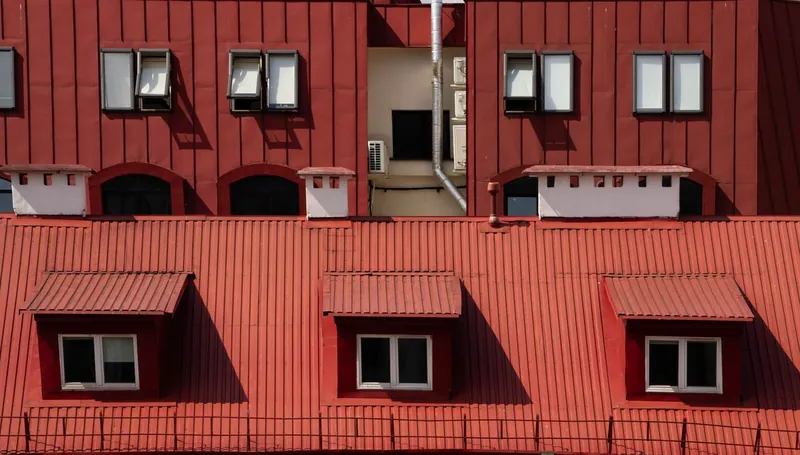
Metal roofing in Massachusetts usually means standing-seam metal: long panels with raised seams that run from the eave to the ridge, fastened with concealed clips. The raised seams shed water well, and the smooth surface sheds snow — which matters in a state where snow load and ice dams are a real concern. Metal is also resistant to wind uplift when properly installed, and it does not crack or curl the way shingles can. Its lifespan is generally longer than shingles, and it needs less maintenance over that life. The trade-offs are cost and installation: metal generally costs more in materials, and it needs a provider who knows the material — the detailing at valleys, chimneys, and transitions is different from shingle work, and a poor installation can be worse than a good shingle roof.
Cost: what drives the difference
This site does not publish prices, so this comparison is about the factors rather than figures. Metal roofing generally costs more than asphalt shingles for the same roof, because the material costs more and the installation is more specialist. But the comparison is not just the installation cost: a metal roof that lasts longer may need replacing less often, while a shingle roof may need replacing sooner and may need more repairs along the way. The honest way to compare is over the roof's life, not just the first invoice — and even then, the answer depends on how long the owner plans to stay in the home, and on the roof's pitch and complexity. A provider can discuss the cost factors for a specific property at the estimate stage, and an estimate should show what is included rather than just a bottom line.
Snow, ice, and wind: how each material behaves
Massachusetts weather is the real test for both materials. Snow slides off a smooth metal roof more readily than off shingles, which can reduce snow load — but it can also slide off in a sheet, so snow guards are sometimes used above entrances and walkways. Shingles hold snow longer, which is not necessarily a problem, but it means ice dams form more readily where attic heat melts the snow from below. Both materials need the same defences against ice dams: ventilation, insulation, and ice-and-water protection at the eaves. In wind, a properly installed metal roof generally resists uplift better than shingles, but a poorly installed roof of either material will fail. The installation quality matters as much as the material.
Looks, noise, and practical details
Looks are a genuine part of the decision. Shingles suit the traditional look of most Massachusetts homes, and they come in colours that match the housing stock — which matters in historic areas, where the visible roof may need to respect the building's character. Metal has a more modern look, and it suits some homes better than others; on a Victorian or a colonial, it can look out of place, while on a contemporary home it can look right. Noise is a common worry about metal roofs, but a properly installed metal roof over a deck with underlayment is not notably noisier than shingles in rain. Weight is another practical point: metal is lighter than slate and comparable to shingles, so it rarely needs structural changes — unlike slate, which needs a structure that can carry it.
Which should you choose?
Choose shingles when the home is a typical Massachusetts pitched roof, when the budget discussion points to the proven default, when the look should match the neighbourhood, or when the roof's remaining life and the owner's plans make a long-lived premium material hard to justify. Choose metal when the roof is steep, when snow shedding and wind resistance are priorities, when the owner plans to stay in the home for a long time, and when the look suits the building. Neither choice is wrong in itself — the wrong choice is the one made without considering the roof's pitch, the building's structure, and the local weather. An estimate visit can discuss both options for a specific property, and a provider who can explain the trade-offs in plain terms is giving a useful estimate.
Frequently Asked Questions
It depends on the property. Metal generally lasts longer and sheds snow and wind better, but it costs more to install and needs specialist installation. Shingles suit most Massachusetts homes, are easier to repair, and match the traditional look. The right choice follows the roof's pitch, the building, and the owner's plans.
Snow slides off a smooth metal roof more readily than off shingles, and it can come off in a sheet. Snow guards above entrances and walkways are sometimes used to manage that. A provider can discuss whether they are needed for a particular roof.
Metal suits steep pitched roofs best. It is lighter than slate and rarely needs structural changes, but the detailing at valleys, chimneys, and transitions is different from shingle work and needs a provider who knows the material.
Lifespan depends on the material, the installation quality, ventilation, and the weather the roof faces. Metal generally lasts longer than asphalt shingles, and slate lasts longer still when it is sound. An inspection gives a better answer for a specific roof than a general figure.
Ready to Discuss Your Roofing Project?
Tell us about your roofing needs and take the next step toward protecting your property.