

Roofing Materials for Massachusetts Homes
Massachusetts roofs use a small set of materials, each suited to different pitches, buildings, and budgets: asphalt shingles, metal roofing, slate, tile, cedar, and flat-roof membranes. This page explains each one honestly — what it is, where it suits a Massachusetts home, and what it needs — without claiming that any material is best for every roof. The right material follows the roof's slope, the building's structure, and the local weather.
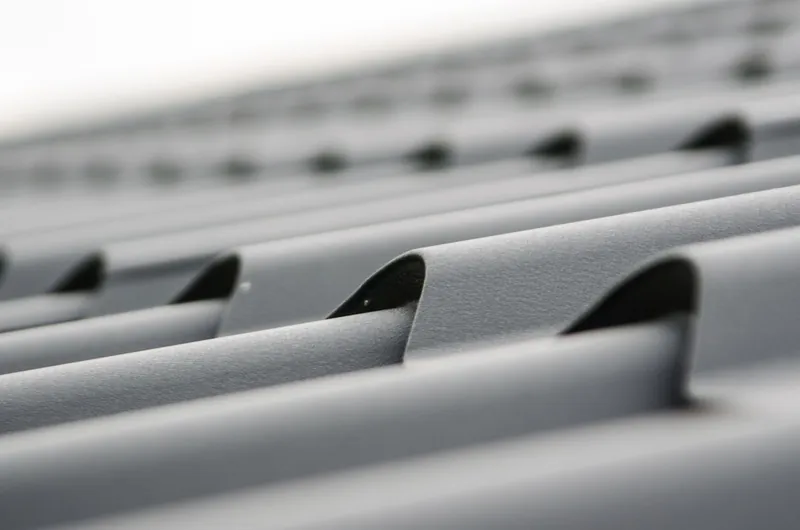
Asphalt Shingles
Architectural asphalt shingles are the most common roofing material in Massachusetts. They suit the pitched roofs that dominate the state's housing, come in a wide range of colours and profiles, and are straightforward to install and to repair. Three-tab shingles are the simpler, flatter variant. Shingles handle Massachusetts weather well when properly installed with ice-and-water protection at the eaves and in valleys, and with adequate ventilation. Their main weakness is lifespan: they wear gradually, losing granules and becoming brittle.
Metal Roofing
Metal roofing in Massachusetts usually means standing-seam metal: long panels with raised seams that shed water and snow well. Metal resists wind uplift when properly installed, and it generally lasts longer than shingles. It costs more in materials and needs specialist installation, and its look suits some homes better than others. The blog article comparing asphalt shingles and metal roofing covers the trade-offs in detail.
Slate, Tile, and Cedar
Slate is a long-lived material suited to older and higher-end homes, where the original roof was slate and the structure can carry its weight. It needs a provider familiar with the material. Tile appears on some Massachusetts homes, particularly in historic areas, but the research found tile demand thin across the state — it is an option where the building calls for it, not a general recommendation. Cedar shake appears on older homes, particularly in coastal and historic towns, and needs maintenance to last.
Flat-Roof Membranes
Flat and low-slope roofs use membrane systems rather than shingles: TPO, EPDM, and modified bitumen are the common choices in Massachusetts. The membrane, the seams, and the drainage decide the roof's life, and the choice depends on the roof's size, drainage, and what is already there. Flat roofing is a different skill from pitched roofing, and the inspection and repair approach differs accordingly.
Frequently Asked Questions
There is no single best material. Asphalt shingles suit most pitched roofs; metal suits steep pitches where snow shedding and wind resistance matter; slate suits older homes where the original roof was slate; flat roofs need membranes. The choice follows the roof's slope, the building, and the owner's plans.
Tile demand is thin across Massachusetts, and tile appears mainly on historic and higher-end homes. It is an option where the building calls for it, not a general recommendation.
Metal suits steep pitched roofs best. Whether it fits a particular home depends on the slope, the structure, and the look the owner wants — questions an estimate visit can answer.
Flat and low-slope roofs use membrane systems such as TPO, EPDM, or modified bitumen. The choice depends on the roof's size, drainage, and what is already there.
Ready to Discuss Your Roofing Project?
Tell us about your roofing needs and take the next step toward protecting your property.