

Roof Repair vs Roof Replacement
Every roofing problem in Massachusetts eventually comes down to the same question: repair it, or replace it? The answer matters, because the two are very different in cost, disruption, and result — and because the wrong choice wastes money either way. Repair a roof that needs replacing, and you will pay for the repair and then for the replacement. Replace a roof that could have been repaired, and you will have paid for work that was not needed. This article explains how the decision is made, what each option involves, and how to tell which one fits a particular roof.
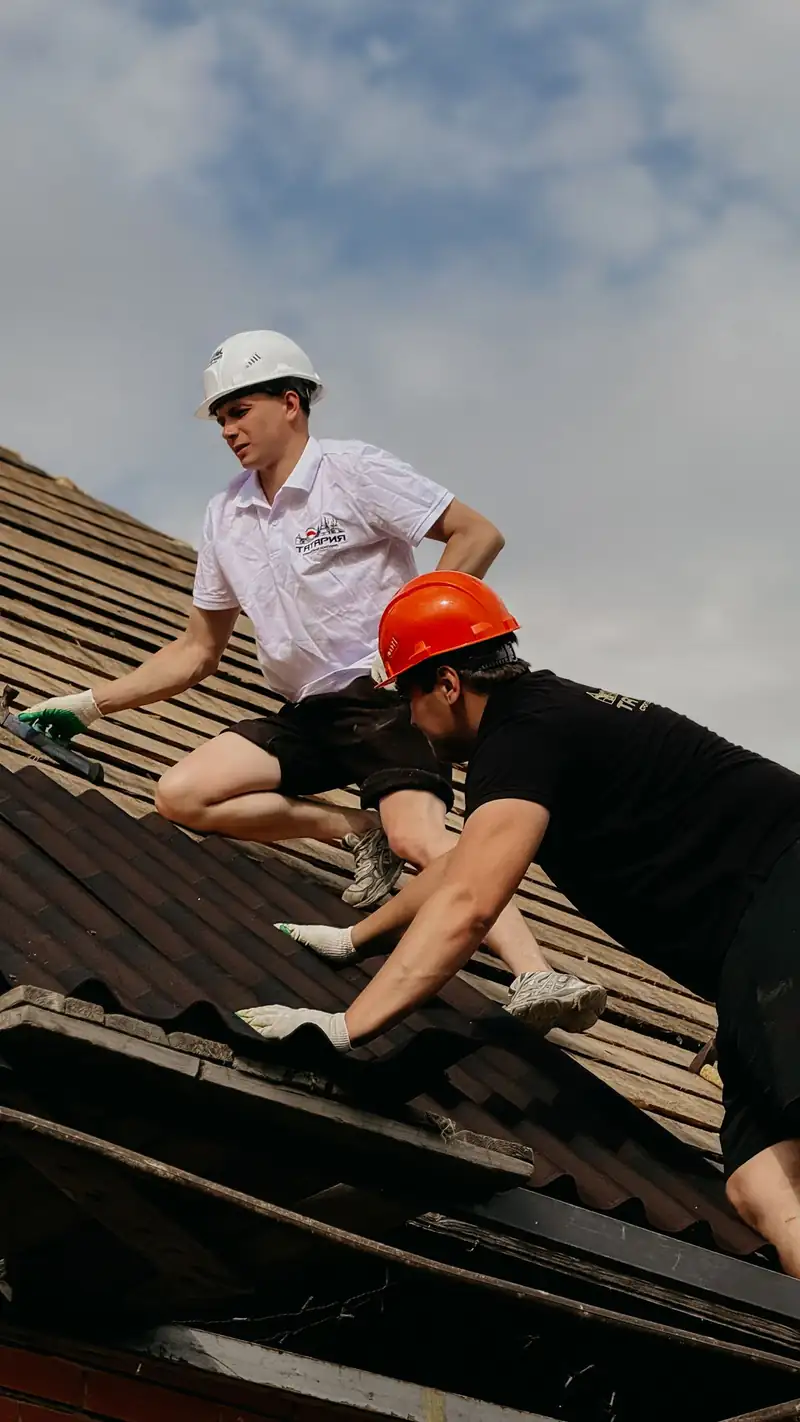
What repair means, and when it works
Repair means fixing the specific failure: replacing a failed flashing, refastening or replacing a small patch of shingles, replacing a cracked pipe boot, patching a membrane seam, or clearing and repairing a gutter. It works when the problem is localized and the rest of the roof is sound. A roof that is generally in good condition, with one clear failure point, is a good candidate for repair — and a good provider will say so, because a repair that lasts is better for everyone than a replacement that was not needed. Repair is also the right choice when the goal is to buy time: a repair that keeps water out for a few more years, while the owner plans and budgets for a replacement, is a legitimate use of the option. What repair cannot do is fix a roof that is failing generally — it can only fix the places it touches.
What replacement means, and when it is needed
Replacement means removing the old roofing material, inspecting the deck underneath, replacing damaged decking, and installing a new roofing system — underlayment, flashing, and the roofing material itself, with ice-and-water protection at the eaves and in valleys. It is needed when the roof's condition is general rather than local: widespread shingle wear or granule loss, leaks that recur in different places, sagging or soft spots in the deck, daylight visible from the attic, or flashing that has failed in several places at once. On flat roofs, widespread membrane failure, blistering, and ponding that never drains point the same way. Replacement is a bigger job than repair, and it costs more — but on a roof that is genuinely worn out, it is the work that actually solves the problem, where repeated repairs would only chase it.
The inspection: how the decision is actually made
The decision is made by an inspection, not by a rule of thumb. A good inspection looks at the roof surface, the flashing, the gutters and drainage, and the attic — and it looks at the whole roof, not just the place that leaks. The attic is particularly important, because damp insulation, staining on the deck, and poor ventilation show whether the roof is failing generally or at one point. Age is a clue, not a verdict: a well-kept roof can outlast a neglected younger one, and a roof that has suffered repeated ice dams can be worn out early. The provider should explain the findings in plain terms — what was found, where, and why it matters — and the owner should be able to see the reasoning. If an inspection ends with a single prescribed answer and no explanation, ask for the explanation.
Cost: comparing repair and replacement fairly
This site does not publish prices, so this comparison is about how to think about cost rather than figures. A repair costs less than a replacement, and that is the end of the simple comparison. The useful comparison is over time: a repair that lasts a few years on a sound roof is good value, while repeated repairs on a worn-out roof can cost more over a few years than a single replacement — and each repair still leaves the underlying wear in place. When comparing estimates, compare what is included: material, underlayment, flashing, ventilation, disposal, and permits. An estimate that looks cheaper because it omits flashing work or disposal is not actually cheaper. The blog article on roof replacement cost in Massachusetts explains the factors that drive replacement cost in more detail.
The middle options: partial replacement and phased work
The choice is not always all or nothing. A partial replacement — replacing one slope, or one section of a roof — can make sense when the wear is concentrated in one area and the rest of the roof is sound. On triple-deckers, the pitched front and the flat rear can sometimes be handled as separate systems. Phased work — repairing now and replacing later, with the repair done in a way that does not make the later replacement harder — is another legitimate middle option, particularly when the owner needs time to plan and budget. What matters is that the middle option is chosen deliberately, with the provider explaining what it will and will not achieve, rather than as a way of avoiding a decision. A repair that is presented as a permanent fix on a roof that needs replacing is not a middle option — it is a mistake.
How to decide, step by step
Start with an inspection that covers the roof and the attic, and ask for the findings in plain terms. Then ask three questions. First, is the problem localized or general — one failure point, or wear across the whole roof? Second, what is the condition of the deck underneath, and has it been checked? Third, what will each option achieve, and for how long? If the answers point to a localized problem on a sound roof, repair is the honest answer. If they point to general wear, recurring leaks, or deck damage, replacement is. And if the answers are unclear, a second opinion — another inspection, not another guess — is worth having. The decision should be based on evidence about a specific roof, not on the age of the roof, not on a single leak, and not on pressure from anyone selling the work.
Frequently Asked Questions
Start with an inspection of the roof and the attic. If the problem is localized and the rest of the roof is sound, repair is the honest answer. If wear is widespread, leaks recur in different places, or the deck is damaged, replacement is. The decision should be based on evidence about a specific roof.
It can be, if the roof is generally sound and the problem is localized — a repair can keep water out for years. It is not worth it if the roof is worn out overall, because repeated repairs on a failing roof cost more over time than a single replacement.
Sometimes. A partial replacement — one slope, or one section — can make sense when the wear is concentrated in one area and the rest of the roof is sound. On triple-deckers, the pitched front and the flat rear can sometimes be handled as separate systems.
The 25% rule is a provision of the Florida Building Code: if more than 25% of a roof is repaired or replaced within a 12-month period, the entire roof must be brought up to current code. It is a Florida rule, not a Massachusetts one, so it does not decide repair-versus-replacement questions for Massachusetts homes. This article does not apply it here.
Ready to Discuss Your Roofing Project?
Tell us about your roofing needs and take the next step toward protecting your property.