

Signs You Need a New Roof
Most roofs do not fail all at once. They wear gradually, and the signs appear over months or years — a shingle that curls, a stain on a ceiling, a gutter full of granules — long before water is pouring into a room. The trouble is that many of those signs are easy to miss or easy to explain away, especially on a roof you rarely look at closely. This article explains the signs that a Massachusetts roof may need replacing, which signs point to a repair instead, and what an inspection can confirm. It is a guide for owners, not a diagnosis: only an inspection of a specific roof can say whether it needs replacing.
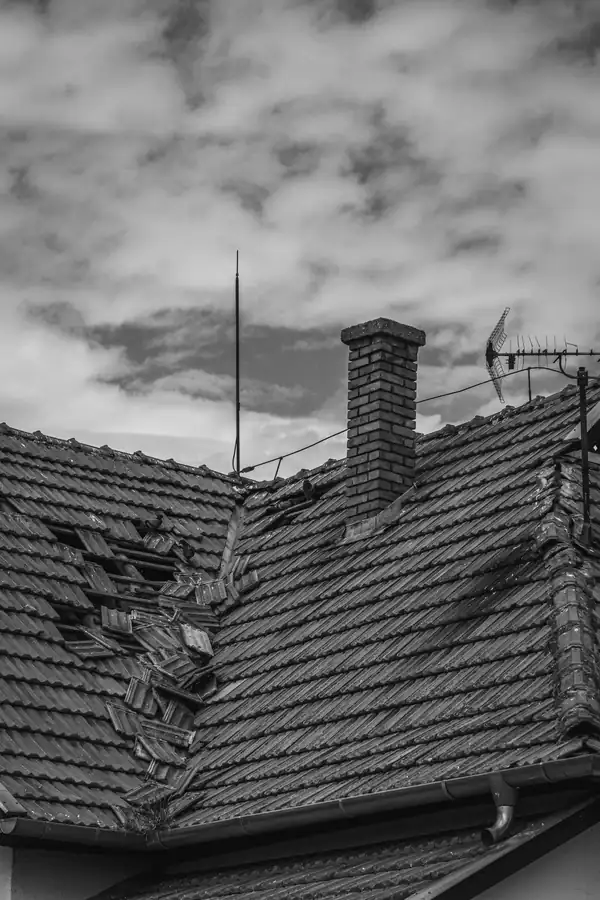
Shingles that are curling, cracking, or missing
The most visible sign is the shingles themselves. Shingles that curl at the edges, crack, or break are no longer shedding water the way they should, and each curled or cracked shingle is a place where wind-driven rain can get in. Missing shingles are more obvious: a bare patch of underlayment or deck is exposed to the weather, and it will not survive long. A few damaged shingles on an otherwise sound roof can usually be repaired. But when curling, cracking, or missing shingles appear across the whole roof, the material itself is wearing out, and repairs become a way of chasing a problem that keeps moving. Granule loss is a quieter version of the same sign: shingles shed granules as they age, and a gutter full of granules, or shingles that look bald and smooth, means the protective surface is going.
Leaks that keep coming back
A single leak can often be repaired — a failed flashing, a cracked pipe boot, or a small patch of damaged shingles. The sign that points toward replacement is a leak that keeps coming back in different places, or a leak that returns after a repair. That pattern means the roof's defences are failing generally, not at one point. Water stains on ceilings and walls are the visible evidence, and they deserve attention even when they look small: the stain is where the water finally shows, not necessarily where it entered, and the damage behind the stain can be larger than it looks. Damp insulation in the attic, or a musty smell that appears after rain, are earlier warnings of the same problem.
The attic tells the story first
The attic often shows roofing problems before the outside does. Daylight coming through the roof boards is a clear sign that something is wrong. Staining or soft spots on the underside of the deck, damp insulation, and mould or mildew growth all point to water getting in. Poor ventilation shows up too: an attic that is much hotter than the outside in summer, or that feeds ice dams in winter, is a sign that the roofing system is not managing heat and moisture properly. An inspection that includes the attic is worth more than a look from the street, because it shows the condition of the deck — the structure the whole roof depends on — rather than just the surface.
Sagging, soft spots, and daylight
A roof deck that sags between the rafters, or that feels soft underfoot, is a serious sign. It means the decking itself is damaged — usually by long-term water entry — and no amount of new shingles will fix a deck that cannot support them. Daylight visible from the attic is another clear sign: if light gets through, water can get through too. These signs point toward replacement rather than repair, because the work has to include the deck, not just the surface. If you notice sagging from the street, or a dip in the roofline, have the roof inspected promptly rather than waiting for a leak to confirm it.
Age, and why it is not the whole story
Age is a useful clue but a poor verdict on its own. A roof's lifespan depends on the material, the installation quality, the ventilation, and the weather it has faced — and Massachusetts weather is demanding. Asphalt shingles are the most common material, and their lifespan varies widely with those factors. Slate lasts much longer when it is sound, and metal can outlast shingles by a wide margin. What matters is the roof's condition, not the calendar: a well-kept roof can outlast a neglected younger one, and a roof that has suffered repeated ice dams or storm damage can be worn out early. Age tells you when to start looking closely; the inspection tells you what you are looking at.
When repair is enough, and when it is not
Repair is enough when the problem is localized and the rest of the roof is sound: one flashing, one valley, a small patch of shingles, or a single membrane seam. Replacement is the honest recommendation when wear is widespread, leaks recur in different places, or the deck is damaged. The decision should be based on an inspection of the whole roof and the attic, and a provider who explains the reasoning rather than simply prescribing one answer. If you are unsure, ask for the inspection findings in plain terms — what was found, where, and why it matters — and compare that with what you can see yourself. A roof that needs replacing will show it in more than one place.
Frequently Asked Questions
A localized problem on an otherwise sound roof can usually be repaired. Widespread wear, repeated leaks in different places, or deck damage point toward replacement. An inspection of the roof surface and the attic gives the evidence either way.
Often it is subtle: granules in the gutters, a shingle that curls, or a small stain on a ceiling. The attic usually shows problems first — damp insulation, staining on the deck, or daylight through the boards — so an inspection that includes the attic is the most reliable check.
Yes, if only a few shingles are missing and the rest of the roof is sound. If shingles are missing across the whole roof, or if the shingles that remain are curling and cracking, the material is wearing out and replacement is usually the better value.
No. A single leak caused by a failed flashing or a small patch of damaged shingles can usually be repaired. Leaks that recur in different places, or that come with widespread wear, are the pattern that points toward replacement.
Ready to Discuss Your Roofing Project?
Tell us about your roofing needs and take the next step toward protecting your property.